The Federal Reserve (the Fed) meets this week, and expectations are high that they’ll cut the Federal Funds Rate. But does that mean mortgage rates will drop? Let’s clear up the confusion.
The Fed Doesn’t Directly Set Mortgage Rates
Right now, all eyes are on the Fed. Most economists expect they’ll cut the Federal Funds Rate at their mid-September meeting to try to head off a potential recession.
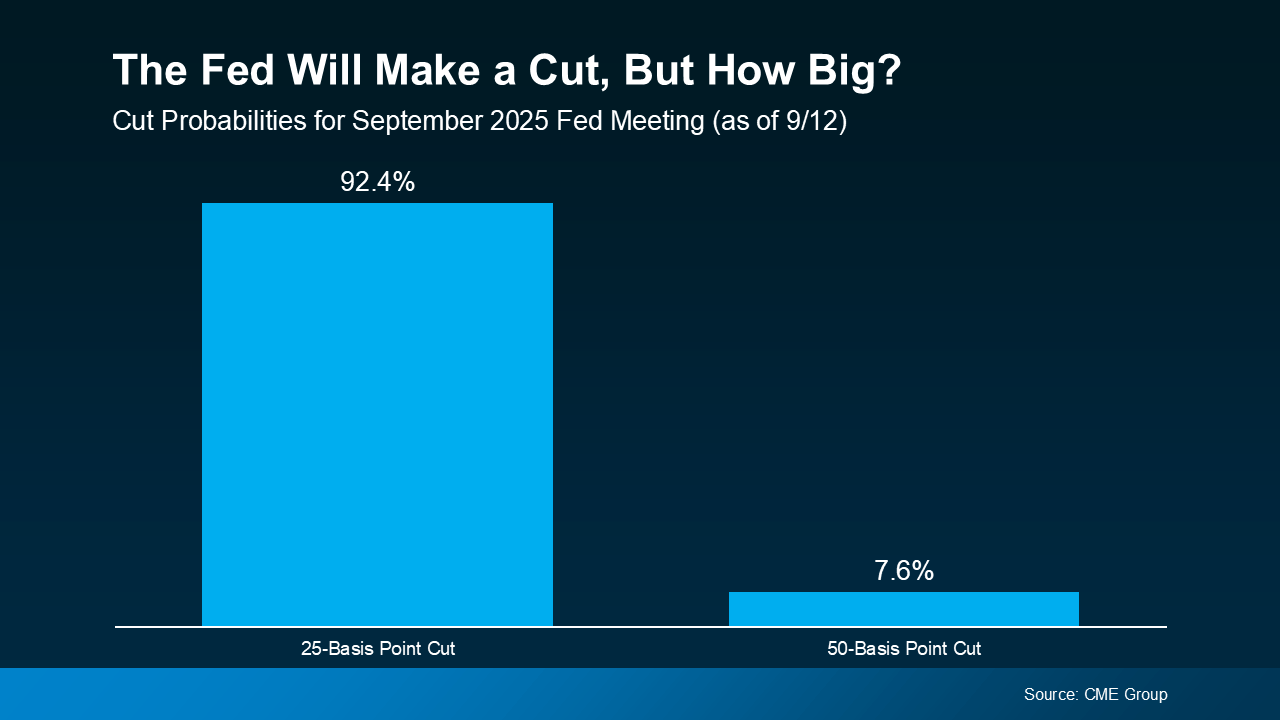
According to the CME FedWatch Tool, markets are already betting on it. There’s virtually a 100% chance of a September cut. And based on what we know now, there’s about a 92% chance it’ll be a small cut (25 basis points) and an 8% chance it will be a bigger cut (50 basis points):
So, what exactly is the Federal Funds Rate? It’s the short-term interest rate banks charge each other. It impacts borrowing costs across the economy, but it’s not the same thing as mortgage rates. Still, the Fed’s actions can shape the direction mortgage rates take next.
Why Markets Already Saw This Cut Coming
Here’s the part that may surprise you. Mortgage rates tend to respond to what the financial markets think the Fed will do, before the Fed officially acts. Basically, when markets anticipate a Fed cut, that outlook gets priced into mortgage rates ahead of time.
That’s exactly what happened after weaker-than-expected jobs reports on August 1 and September 5. Each time, mortgage rates ticked down as financial markets grew more confident a cut was coming soon. And even though inflation rose slightly in the latest CPI report, the Fed is still expected to make a cut.
So, if the Fed goes with a 25-basis point cut, as expected, that’s likely already baked in to current mortgage rates, and we may not see a dramatic drop.
But if they go bigger and drop their Federal Funds Rate by 50 basis points instead, mortgage rates could come down more than they already have.
So, Where Do Mortgage Rates Go from Here?
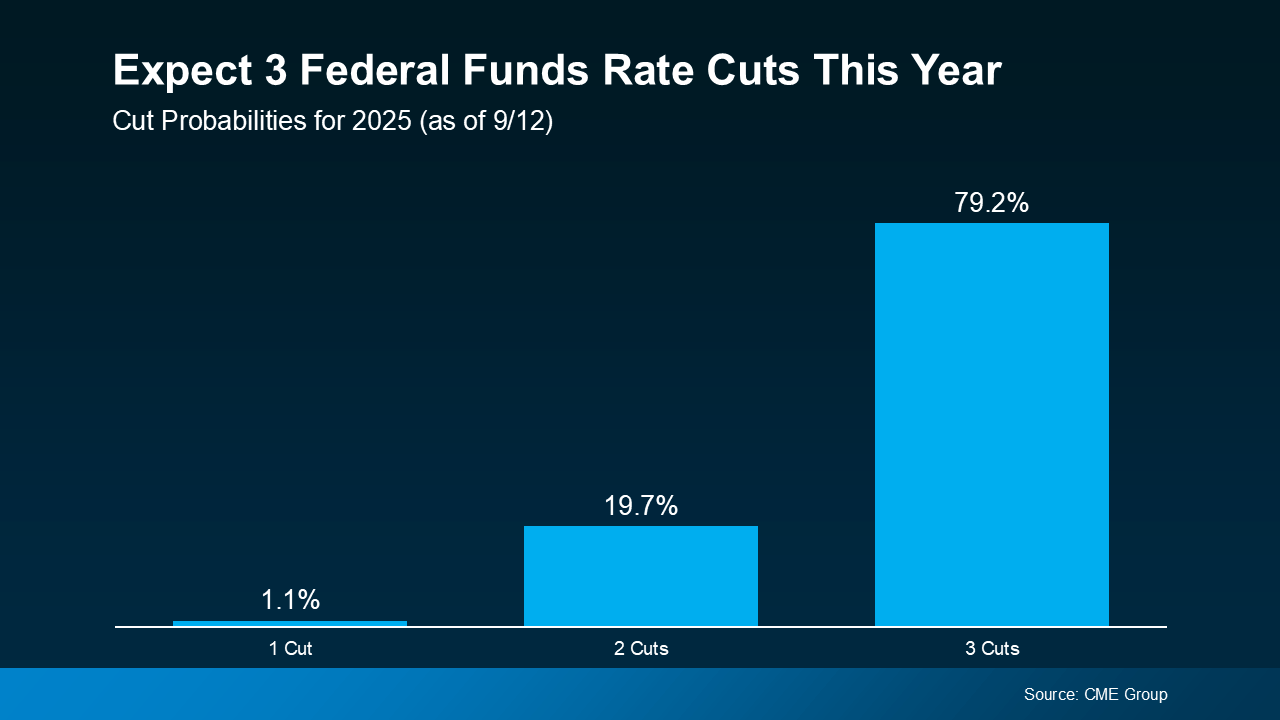
While the upcoming cut may not move the needle much, many experts expect the Fed could cut the Federal Funds Rate more than once before the end of the year. Of course, that’s if the economy continues to cool (see graph below):
As Sam Williamson, Senior Economist at First American, explains:
“For mortgage rates, investor confidence in a forthcoming rate-cutting cycle could help push borrowing costs lower in the back half of 2025, offering some relief to housing affordability and potentially helping to boost buyer demand and overall market activity.”
If multiple rate cuts happen, or even if markets just believe they will, mortgage rates could ease further in the months ahead. But here’s the catch – all of this depends on how the economy evolves. Surprise inflation data or unexpected shifts could quickly change the outlook.
Bottom Line
Mortgage rates likely won’t drop sharply overnight, and they won’t mirror the Fed’s moves one-for-one. But if the Fed begins a rate-cutting cycle, and markets continue to expect it, mortgage rates could trend lower later this year and into 2026.
If you’ve been waiting and watching the housing market, now’s the time to talk strategy. Even small changes in rates can make a meaningful difference in affordability, and understanding what’s ahead helps you make the best decision for your situation.
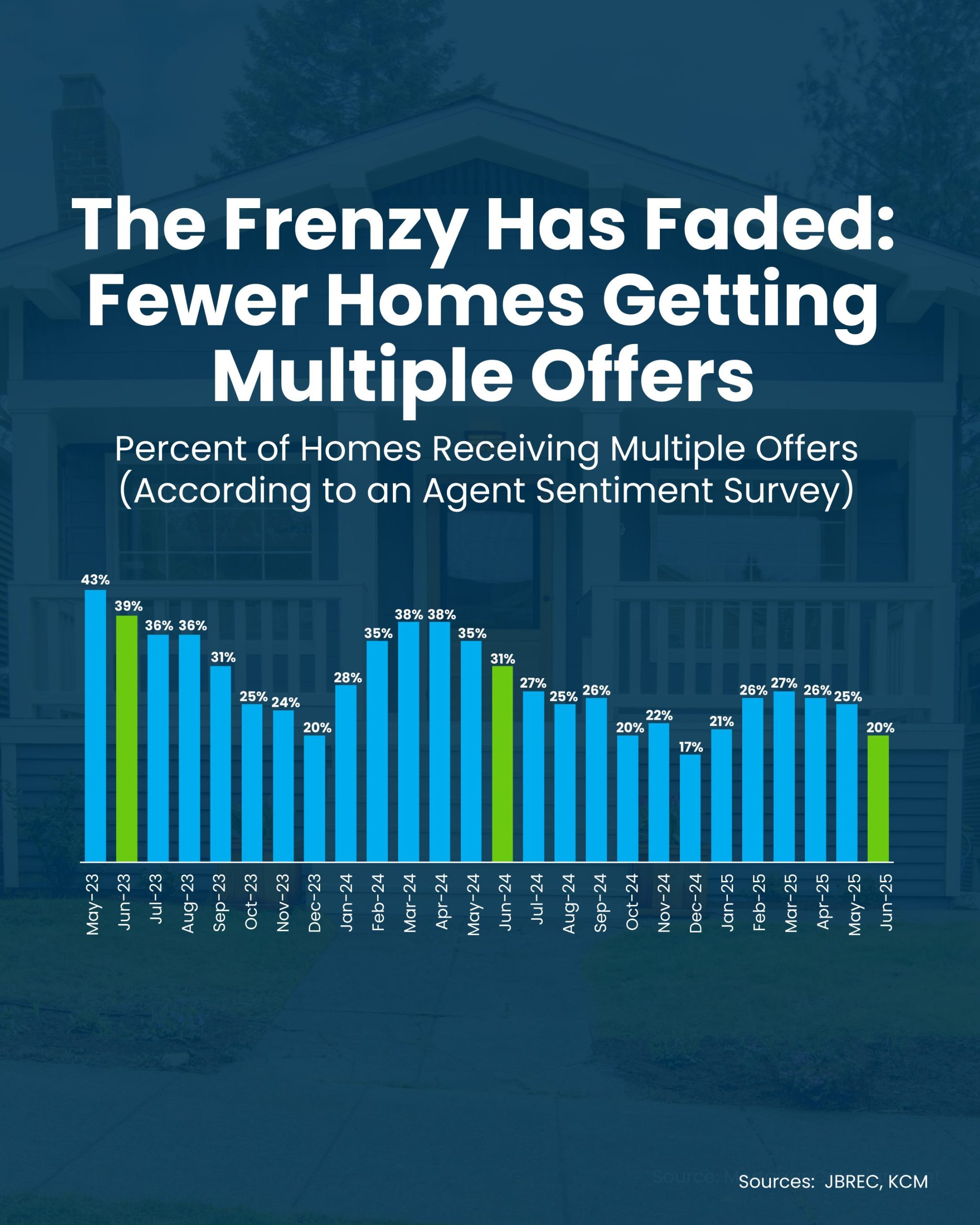
Waiting for the perfect buyer to fall in love with your house? In today’s market, that’s usually not what’s holding things up. And here’s why.
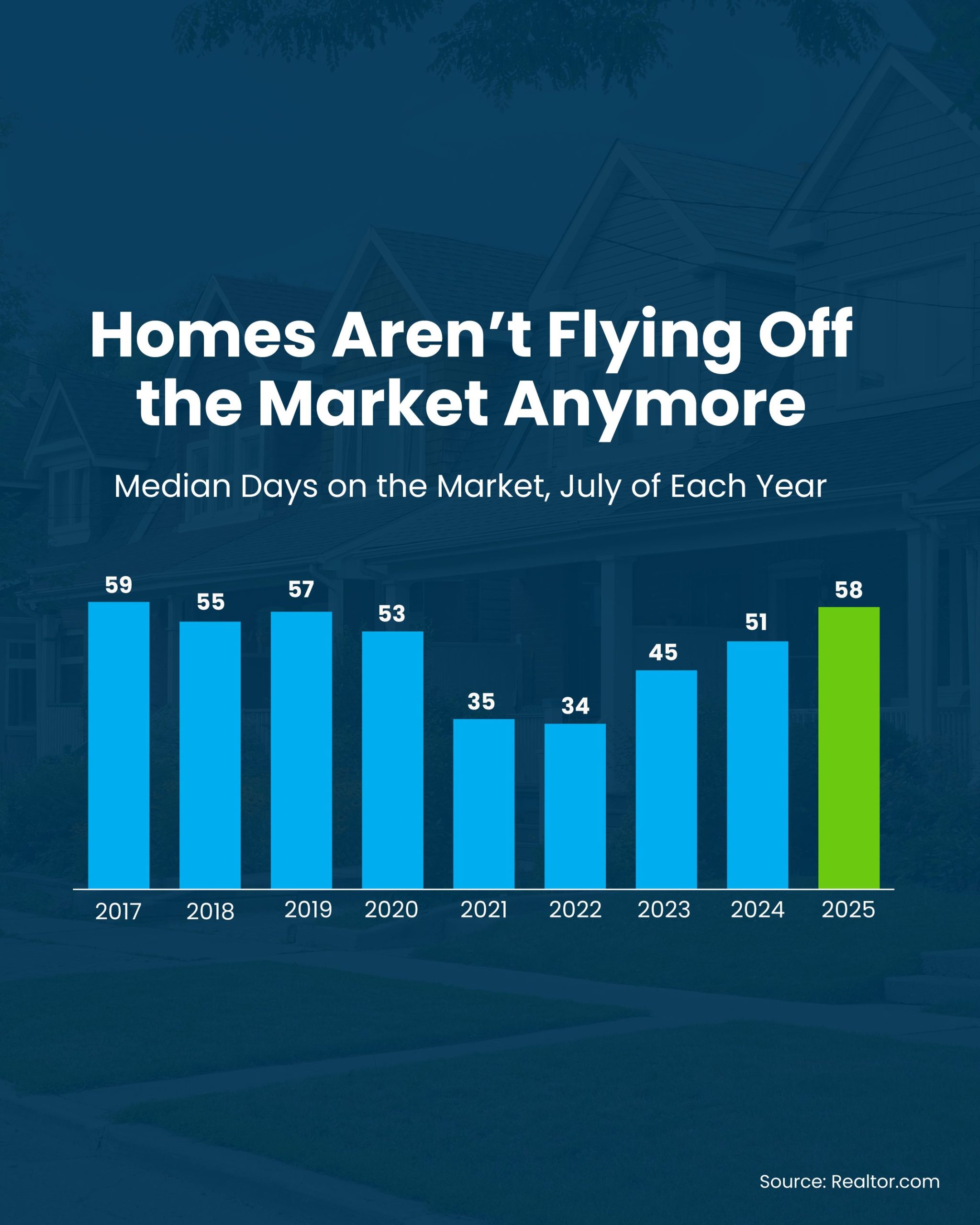
Let’s be real. Homes are taking a week longer to sell than they did a year ago. According to Realtor.com:
“Homes are also taking longer to sell. The typical home spent 60 days on the market in August, seven days longer than last year and now above pre-pandemic norms for the second consecutive month. This was the 17th straight month of year-over-year increases in time on market.”
Part of that is because there are more homes on the market. So, with more options for buyers to choose from, they aren’t getting snatched up quite as fast. But there’s another big reason: price.
The Average List Price Isn’t Going Up – and That Matters
Today, a lot of homeowners are overshooting their list price. They remember the big climb in home prices a few years ago, and they don’t realize how much has changed.
One of the most important, but often overlooked, changes in today’s housing market is this: average list prices have held steady for the past few years.
That’s a big shift from a typical market, where prices were rising steadily each year. And it’s significantly different than the 2021-2022 surge when sellers could set their price just about anywhere and still attract multiple offers over asking.
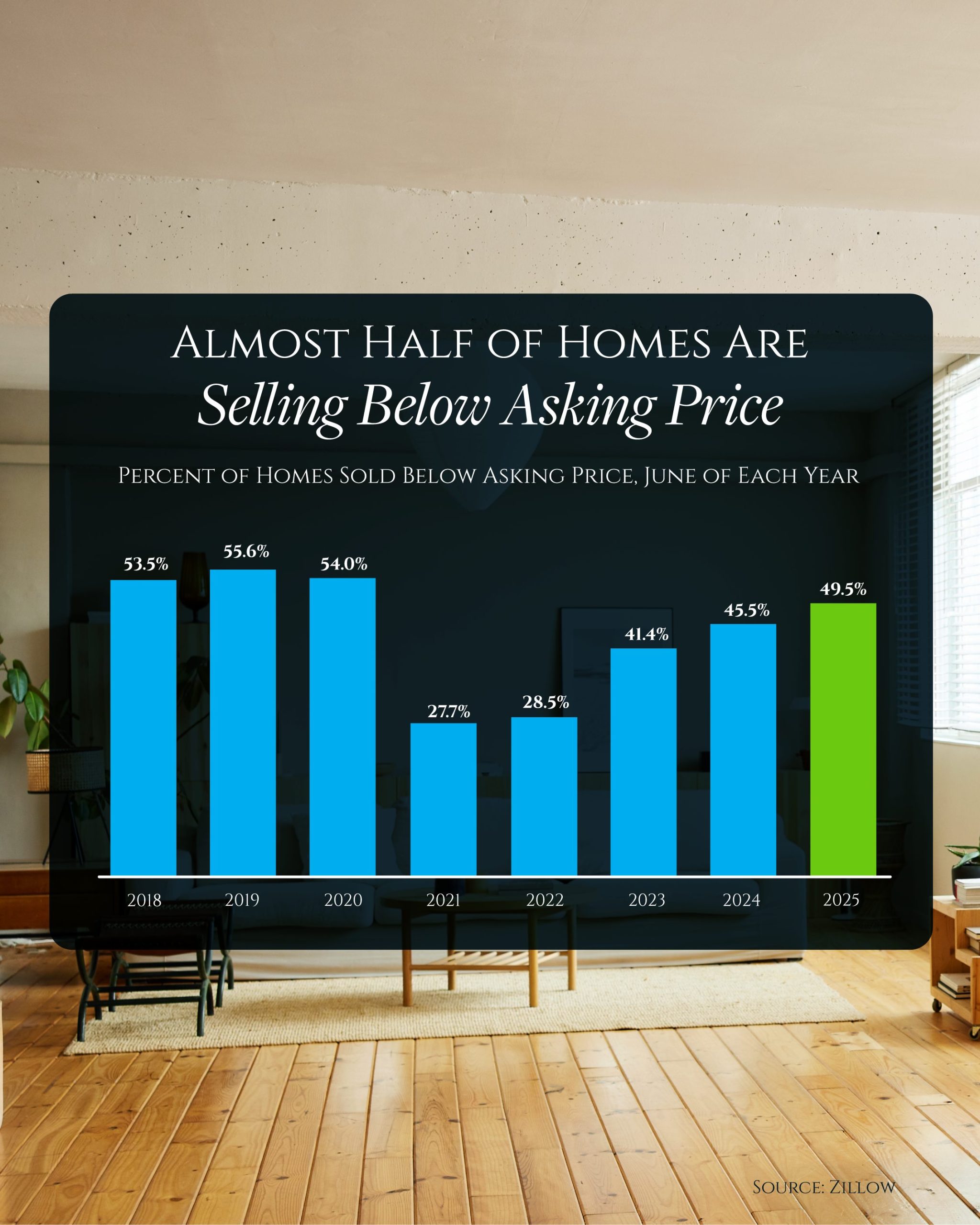
But now? That trend has leveled off – and sellers who want to stay competitive need to take note (see graph below):
Here’s what this says about today’s market. Buyers are a lot more price sensitive now. And sellers can’t keep trying to inch the bar higher, or their house will sit without any offers.
Homeowners who expect to bring in more than their neighbors did last year may be setting themselves up for a longer, more frustrating experience.
And while homeowners are starting to realize prices can’t keep climbing at such a rapid pace, the hiccup is that list prices aren’t actually coming down yet as a result. They’re hanging around, holding steady. And sellers who make this mistake are often holding onto hope that they’ll be able to eek a few more dollars out of their sale. But that’s the problem right there.
If you want to sell today, you need to be in line with where the market is today. Not last year. Not during the pandemic. Today.
Because buyers will skip over homes that feel overpriced, even if it’s only by a little. It’s not that they aren’t interested. It’s just that in a market with more homes to choose from, buyers can be more selective, and sellers don’t get the same benefit of the doubt. If your house isn’t priced to sell, buyers just move on. They’ve got other options anyway.
4 Signs Your Price May Be Too High
You may already be feeling this yourself. If your home is listed and you’re not seeing results, watch for these common red flags noted by Bankrate:
You’re not getting many showings
You haven’t gotten any offers (or you’ve only gotten lowball offers)
Buyers that do come to see your house leave overly negative feedback
Your house has been sitting on the market longer than the average for your area
If any of these sound familiar, know that waiting it out won’t fix it. But adjusting your price will.
So, What’s the Solution?
Work with your agent to make sure your house is positioned for today’s market. Depending on your what’s happening in your local area, a few weeks without traction can raise questions for buyers about whether your price is realistic. And don’t worry – it doesn’t have to be a big drop. Even a small adjustment can be enough to bring the right buyers through the door.
And if you’re worried you won’t get the high-ticket sale price you thought you would be able to land, keep in mind that your equity has probably grown quite a bit. Chances are, you’re still ahead of the game simply because you invested in a home over the last 5, 10, or more years. You’re still winning when you sell today.
Bottom Line
Patience isn’t a strategy. Pricing is.
If your home isn’t moving, the market is telling you something – and the right price can change everything. Your house will sell, if you price it strategically.
Talk to your agent about what buyers are willing to pay right now to make sure your home stands out for all the right reasons.
Farmhouse charm, modern sleekness, or romantic elegance—whatever your dream kitchen looks like, I’m here to help you find the home that has it! 🍴✨ From touring listings to negotiating the best deal, I’ll guide you every step of the way. Your perfect kitchen (and home) is out there waiting for you. Ready to start the search? Let’s connect! #thehelpfulagent #home #houseexpert #house #listreports #homeowners #a091025 #investment #homestyle #realestate #realtor #realestateagent #dreamhome
Even with more homes on the market right now, some buyers are still having a tough time finding the right one at the right price. Maybe the layout feels off. Maybe it still needs some updating. Or maybe it’s just more of the same.
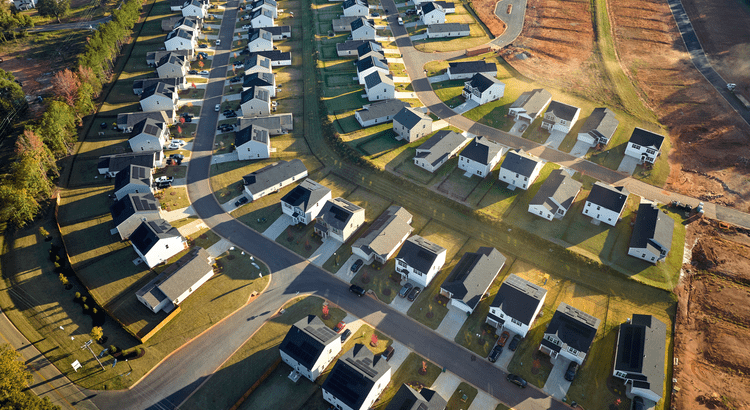
That’s why more buyers are turning to new construction – and finding some of the best deals available today.
Why? Today, many builders have more homes that are finished and sitting on the market than normal. And that means they’re motivated to sell. They’re running a business, and they don’t want to sit on their inventory. They want to sell it before they build more homes. And that can definitely work in your favor.
As Lance Lambert, Co-Founder of ResiClub, puts it:
“In housing markets where unsold completed inventory has built up, many homebuilders have pulled back on their spec builds—and many are doing bigger incentives or outright price cuts to move unsold inventory.”
Incentives Are the Highest They’ve Been in 5 Years
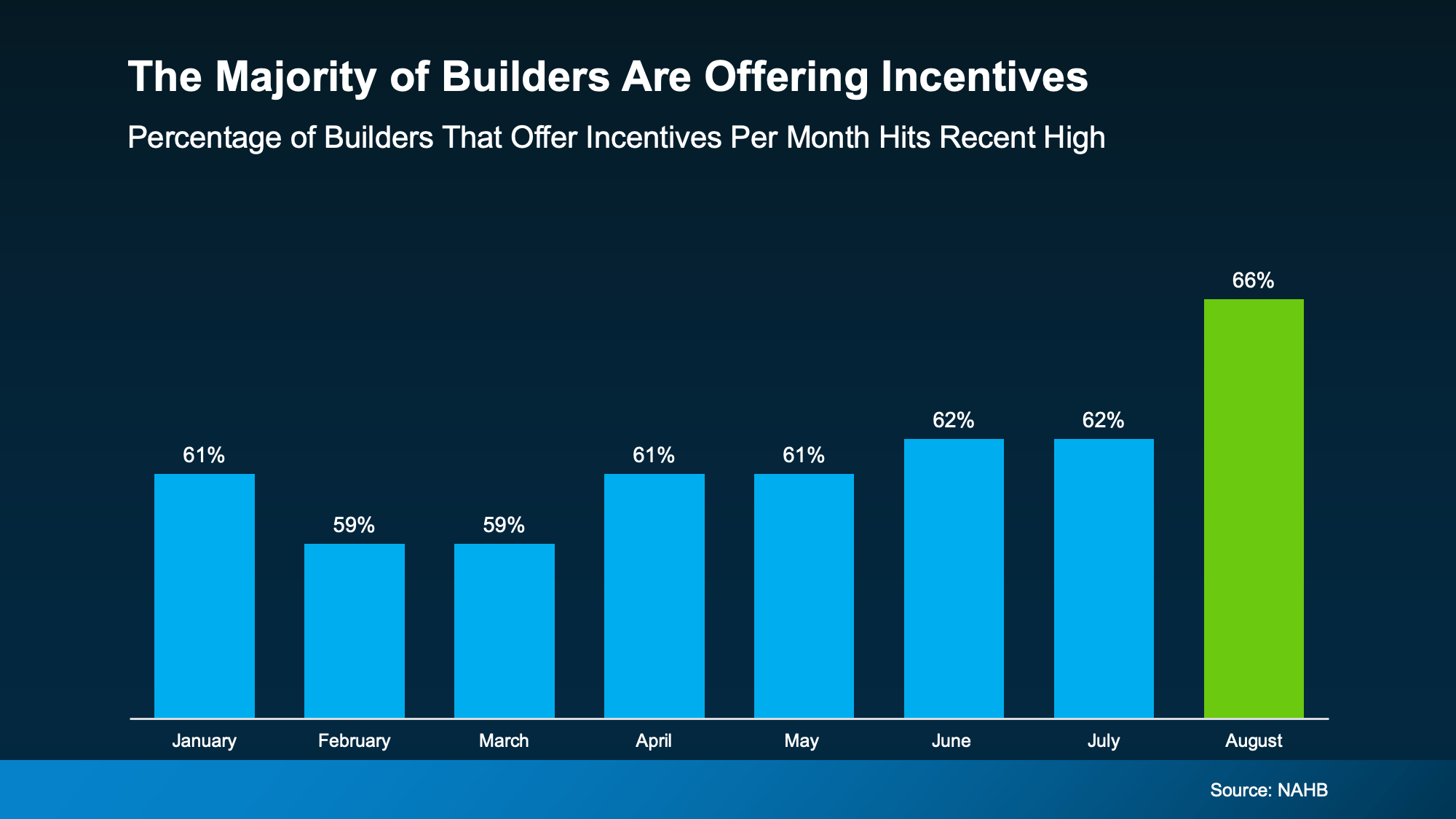
Data from the National Association of Home Builders (NAHB) shows 66% of builders offered sales incentives in August. That’s the peak so far this year, and the highest percentage we’ve seen in 5 years.
That means 2 out of every 3 builders are offering something extra to get deals done. And when builders throw in incentives, it’s the buyers like you who win.
Price Cuts Are Back on the Table
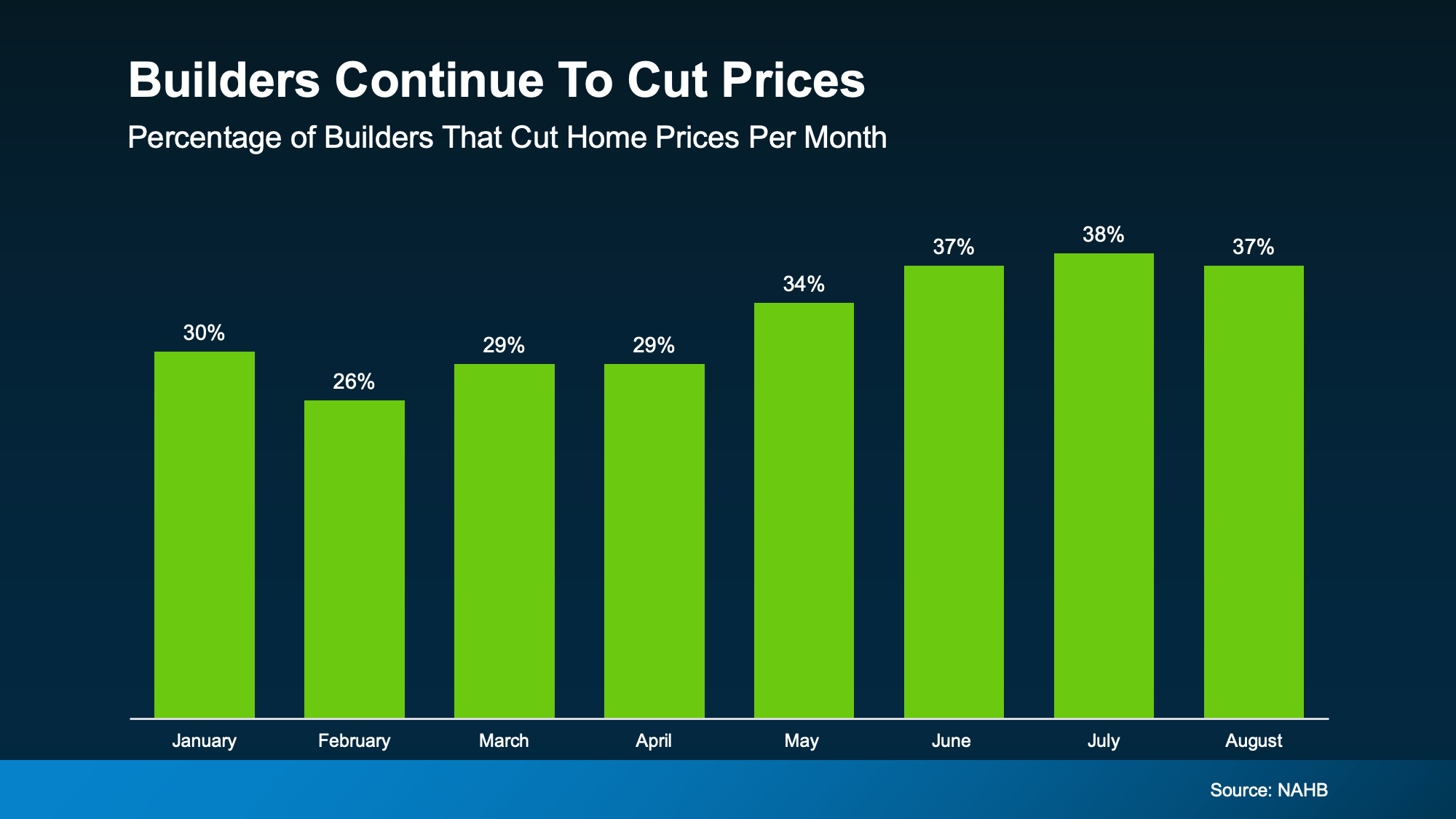
One of the most common incentives they’re offering right now is adjusting the price. According to NAHB, almost 40% of builders are doing price cuts (see graph below):
On average they’re taking off about 5% off the purchase price of the house. For a buyer, 5% could be the difference between reluctantly settling and finally getting a home that works for you.
Take a $500,000 house as an example. If builders reduce the price by 5%, you’re saving $25,000.
And even if the builder you’re interested in won’t budge on price, they’ve got plenty of other levers to pull. As Realtor.com explains:
“. . . there are deals to be found in the market for new homes, with builders increasingly willing to negotiate on price or offer incentives such as rate buydowns and closing cost assistance.”
Why This Matters for You
As a buyer, you probably have a clear vision for your ideal home. Because you’re not just buying any house. You’re buying your house. The one with the space, features, and lifestyle you’ve been hoping for. New builds can check those boxes since they usually have:
Bigger kitchens and open layouts
Energy efficiency (hello lower utility bills)
Smart-home upgrades
Fewer repair headaches on day one
And today’s incentives make buying a new home more attainable than it’s been in years.
One Word of Advice: Don’t Go At It Alone
If you want to take advantage of this opportunity, just be sure to use your own agent. Builder reps aren’t there to save you money. They protect the builder’s bottom line. That’s why you need to bring your agent with you. Your agent will:
Cut through the sales pitch and run the cold hard numbers
Spot which incentives are actually worth it (and which ones are fluff)
Handle negotiations so you walk away with the best deal possible
Keep your best interest as their top priority
Bottom Line
If you’re not finding a home you love, the new home market is buzzing with opportunity. With record-high incentives, price cuts in play, and builders itching to move inventory, this is the best time in years to buy new construction.
Curious how far today’s incentives could stretch your budget? Let’s connect so you can see what builders are offering in our area.
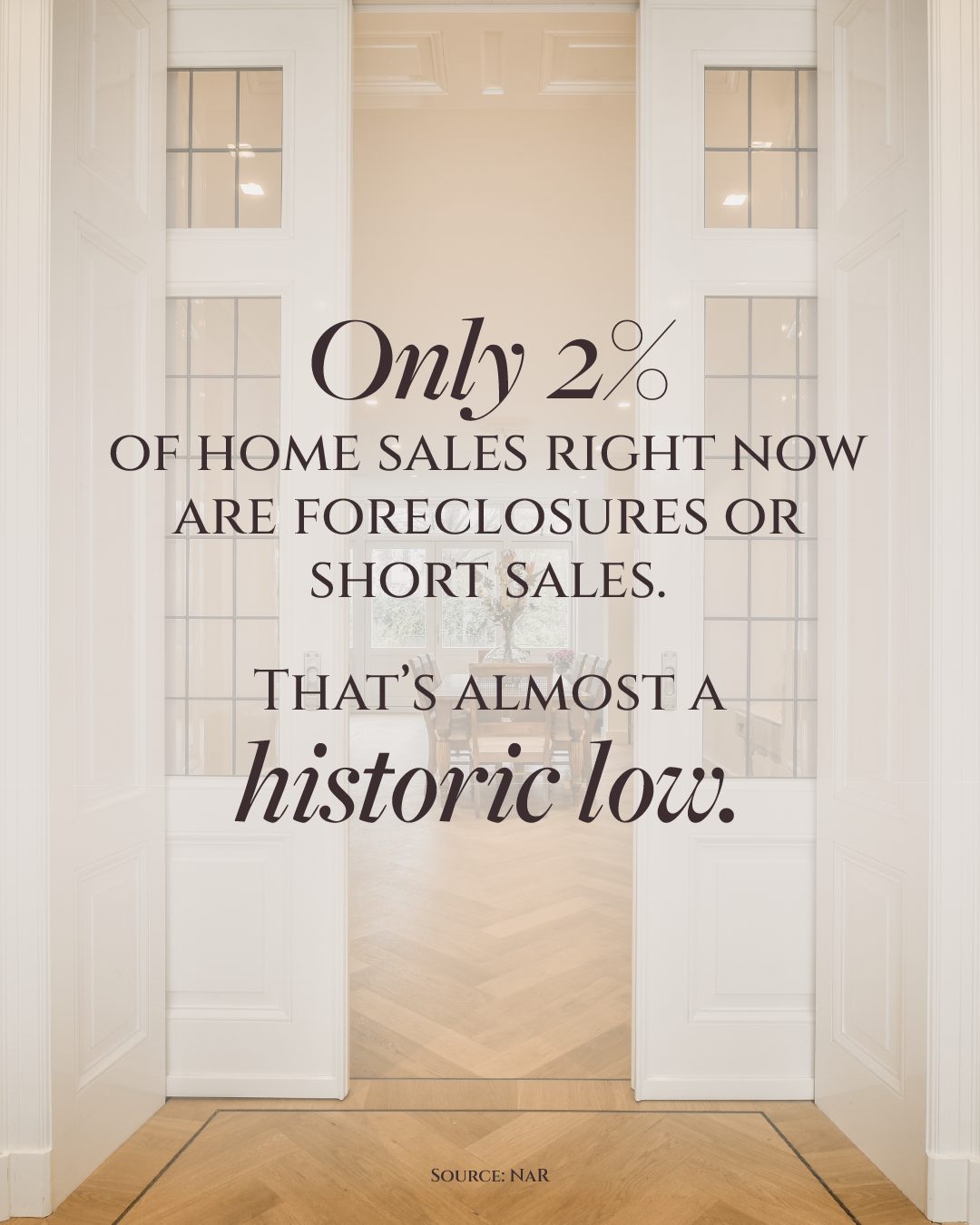
You may have seen headlines about foreclosures rising, but here’s the truth.
Foreclosure headlines sound scary, but the data tells a calmer story.
Yes, FHA loans are showing more late payments than normal, but delinquencies across all other loan types remain stable.
And since FHA loans are only about 12% of mortgages nationwide, this isn’t the start of a new crisis.
Of course, no one wants to see anyone face the challenges of foreclosure. But the big picture: there isn’t a big wave of foreclosures coming, and the broader market looks nothing like 2008.
Thinking About Renting Your House Instead of Selling? Read This First.
If your house is on the market but you haven’t gotten any offers you’re comfortable with, you may be wondering: what do I do if it doesn’t sell? And for a growing number of homeowners, that’s turning into a new dilemma: should I just rent it instead?
There’s a term for this in the industry, and it’s called an accidental landlord. Here’s how Yahoo Finance defines it:
“These ‘accidental landlords’ are homeowners who tried to sell but couldn’t fetch the price they wanted — and instead have decided to rent out their homes until conditions improve.”
Why This Is Happening More Often Right Now
And right now, the number of homeowners turning into accidental landlords is rising. Business Insider explains why:
“While there have always been accidental landlords . . . an era of middling home sales brought on by a steep rise in borrowing rates — is minting a new wave of reluctant rental owners.”
Basically, sales have slowed down as buyers struggle with today’s affordability challenges. And that’s leaving some homeowners with listings that sit and go stale. And if they don’t want to drop their price to try to appeal to buyers, they may rent instead.
But here’s the thing you need to remember if renting your house has crossed your mind. Becoming a landlord wasn’t your original plan, and there’s probably a reason for that. It comes with a lot more responsibility (and risk) than most people expect.
So, if you find yourself toying with that option, ask yourself these questions first:
1. Does Your House Have Potential as a Profitable Rental?
Just because you can rent it doesn’t mean you should. For example:
Are you moving out of state? Managing maintenance from far away isn’t easy.
Does the home need repairs before it’s rental-ready? And do you have the time or the funds for that?
Is your neighborhood one that typically attracts renters, and would your house be profitable as one?
If any of those give you pause, it’s a sign selling might be the better move.
2. Are You Ready To Be a Landlord?
On paper, renting sounds like easy passive income. In reality, it often looks more like this:
Midnight calls about clogged toilets or broken air conditioners
Chasing down missed rent payments
Damage you’ll have to fix between tenants
As Redfin notes:
“Landlords have to fix things like broken pipes, defunct HVAC systems, and structural damage, among other essential repairs. If you don’t have a few thousand dollars on hand to take care of these repairs, you could end up in a bind.”
3. Have You Thought Through the True Costs?
According to Bankrate, here are just a few of the hidden costs that come with renting out your home:
A higher insurance premium (landlord insurance typically costs about 25% more)
Management fees (if you use a property manager, they typically charge around 10% of the rent)
Maintenance and advertising to find tenants
Gaps between tenants, where you cover the mortgage without rental income coming in
All of that adds up, fast.
While renting can be a smart move for the right person with the right house, if you’re only considering it because your listing didn’t get traction, there may be a better solution: talking to your current agent and revisiting the pricing strategy on your house first.
With their advice you can rework your strategy, relaunch at the right price, and attract real buyers to make the sale happen.
Bottom Line
Before you decide to rent your house, make sure to carefully weigh the pros and cons of becoming a landlord. For some homeowners, the hassle (and the expense) may not be worth it.

 Facebook
 X
X
 Pinterest
 Copy Link



 On average they’re taking off about 5% off the purchase price of the house. For a buyer, 5% could be the difference between reluctantly settling and finally getting a home that works for you.